
KLEPTO STORIES
-

Cameroon: The White Elephant of COVID-19
In Cameroon, the government’s reported 94% COVID-19 recovery rate contrasts sharply with citizens’ grim realities, including empty hospitals and corruption in healthcare management. Despite significant international donations, funds often disappear, benefitting only the elite. Hospitals remain underutilized, and many lack access to necessary care, revealing systemic failures in the health response.
-
96$ Short of Breath
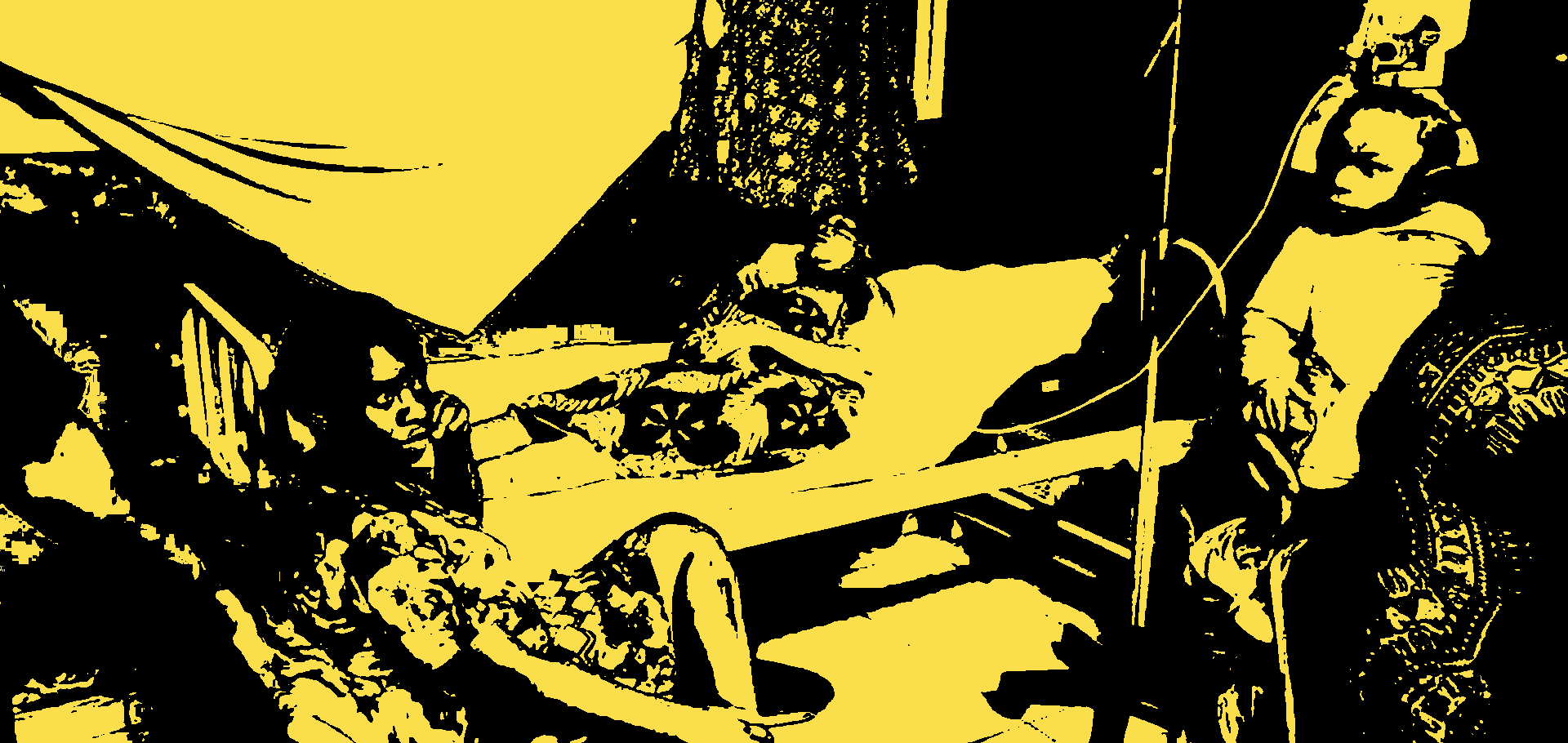
Estefanía Sompo Johnson, unable to afford 50,000 XAF for oxygen at a Malabo hospital, became a victim of Equatorial Guinea’s corrupt healthcare system. Despite the country’s vast resources, kleptocrats prioritize personal wealth, leaving citizens to suffer. Estefanía’s death highlights the dire consequences of systemic corruption and neglect in healthcare during the pandemic.
-

Chad: when kleptocrats strike harder than the disease
Chadians face COVID-19 alongside police repression and poverty, with authorities prioritizing self-enrichment while failing to protect public health. Citizens endure police abuse for not wearing masks, as misinformation and fears of infection spread. The regime, backed by the Grand Coeur Foundation, exploits the crisis for personal gain, leaving citizens to struggle alone.
-

COVID-BUSINESS: Get Rich and Let Them Die Trying
The COVID-19 pandemic, introduced in Congo by government officials, has revealed systemic corruption and mismanagement. Chloé Bafouidi Nsoni, a pregnant woman, died due to neglect in an underfunded health system. Authorities prioritized wealth accumulation over public health, leaving citizens vulnerable amidst ineffective containment measures and inadequate medical support.
-

Trucking around COVID-19: the million missing
In Angola, widespread corruption by elites exacerbates the struggles of ordinary citizens during the COVID-19 pandemic. Despite promises of support, bureaucratic decrees and systemic inefficiencies hinder access to essential services like testing. Jorge, a truck driver, exemplifies the hardships faced, emphasizing the dire need for accountability and improved public welfare.
-

Which Came First, the Virus or the “Icing”?
The COVID-19 pandemic exposed the severe impact of kleptocracy in Central Africa, particularly affecting healthcare systems in Cameroon, Chad, Congo-Brazzaville, and Equatorial Guinea. Corruption led to mismanagement and a high death toll, with emergency funds unaccounted for and governmental abuses rampant. The Central African Coalition Against Kleptocracy aims to combat these issues.
-
CHRISTEL PALACE: High Treason under the Tropics
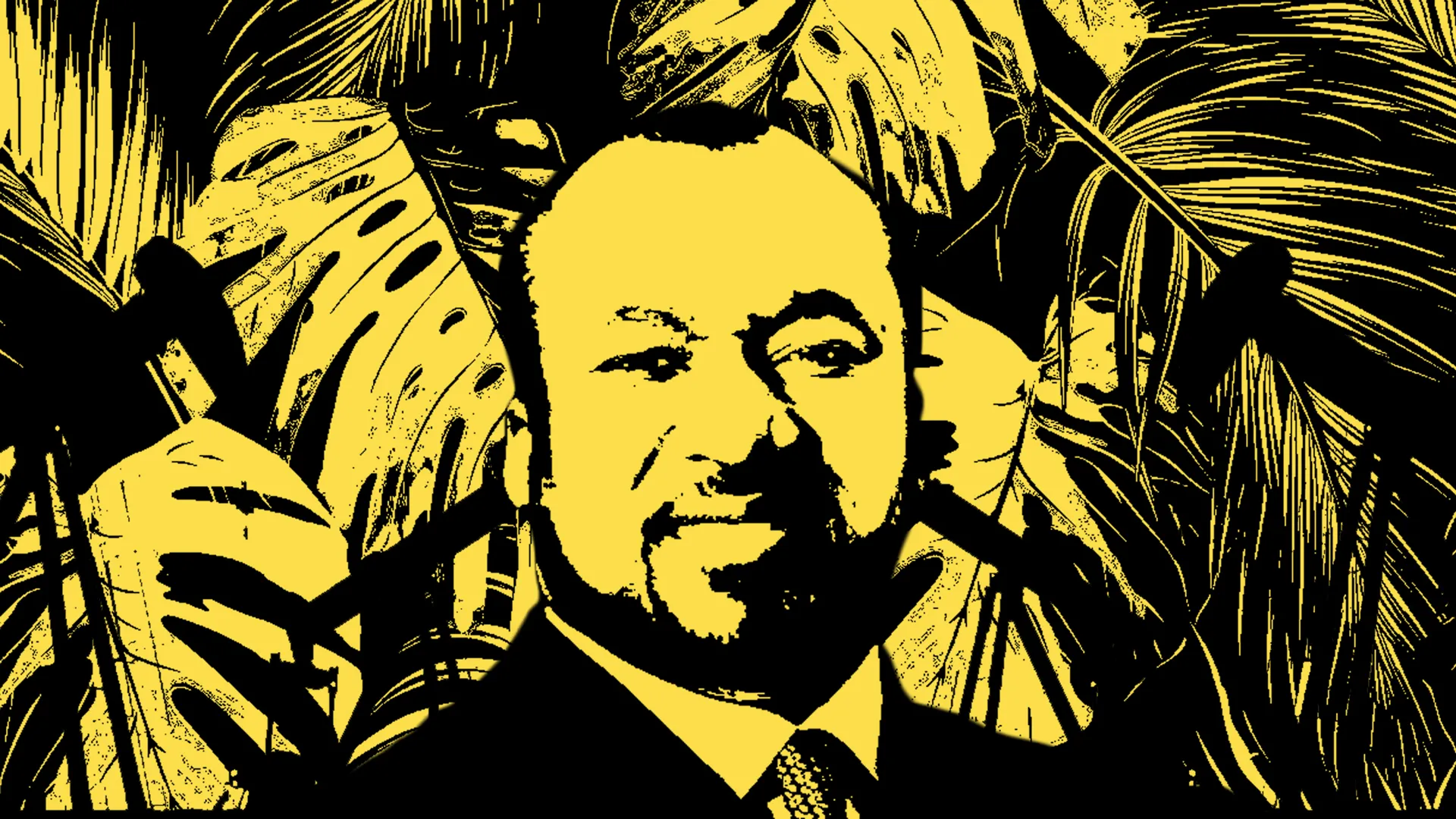
Between 2001 and 2017, over $5 billion was embezzled from the Congolese state by the Sassou Nguesso clan through complex schemes, including shell companies and collusion with foreign entities. This corruption, rooted in oil revenues, led to widespread poverty, ecological damage, and systemic violence against the population, while enriching the regime.
-
Paul Biya, the “king.”
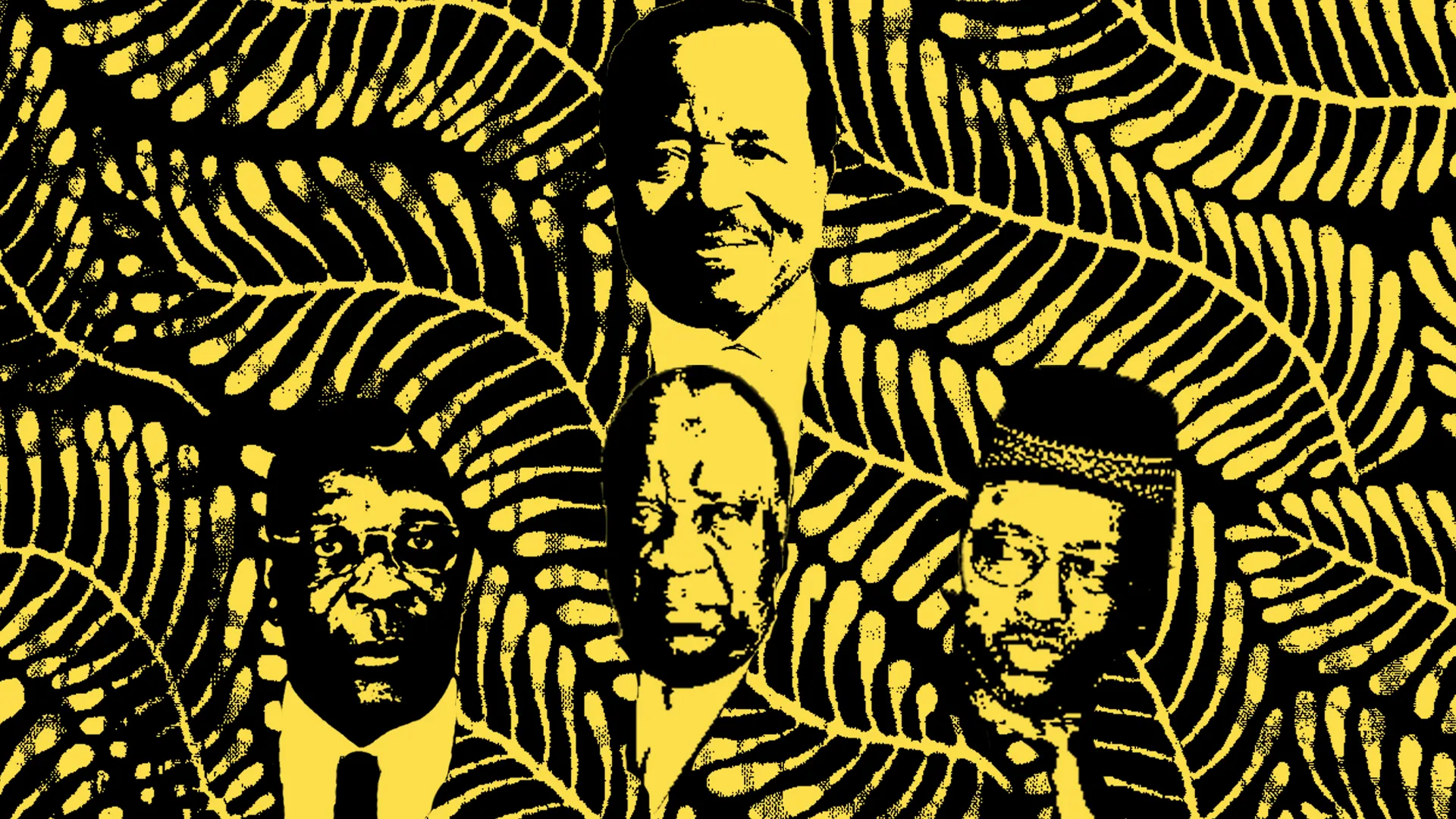
Paul Biya has maintained a stronghold on power in Cameroon since becoming president in 1982, often eliminating potential rivals. His family, particularly his daughter Brenda, leads a lavish lifestyle while citizens suffer from poverty and lack of basic services. Despite the country’s wealth, resources are mismanaged, benefiting only Biya and his allies.
-

Chad: Between the oil curse and a family feud
Chad, despite its oil wealth since 2003, has not benefited its citizens, as poverty persists. Politically unstable, President Idriss Deby’s regime prioritizes loyalty over development, funneling public funds abroad while public services suffer. Family entrenchment in power indicates corruption, further undermining societal progress and leaving citizens disillusioned.
-
The Instagram playboy selling the children’s future.
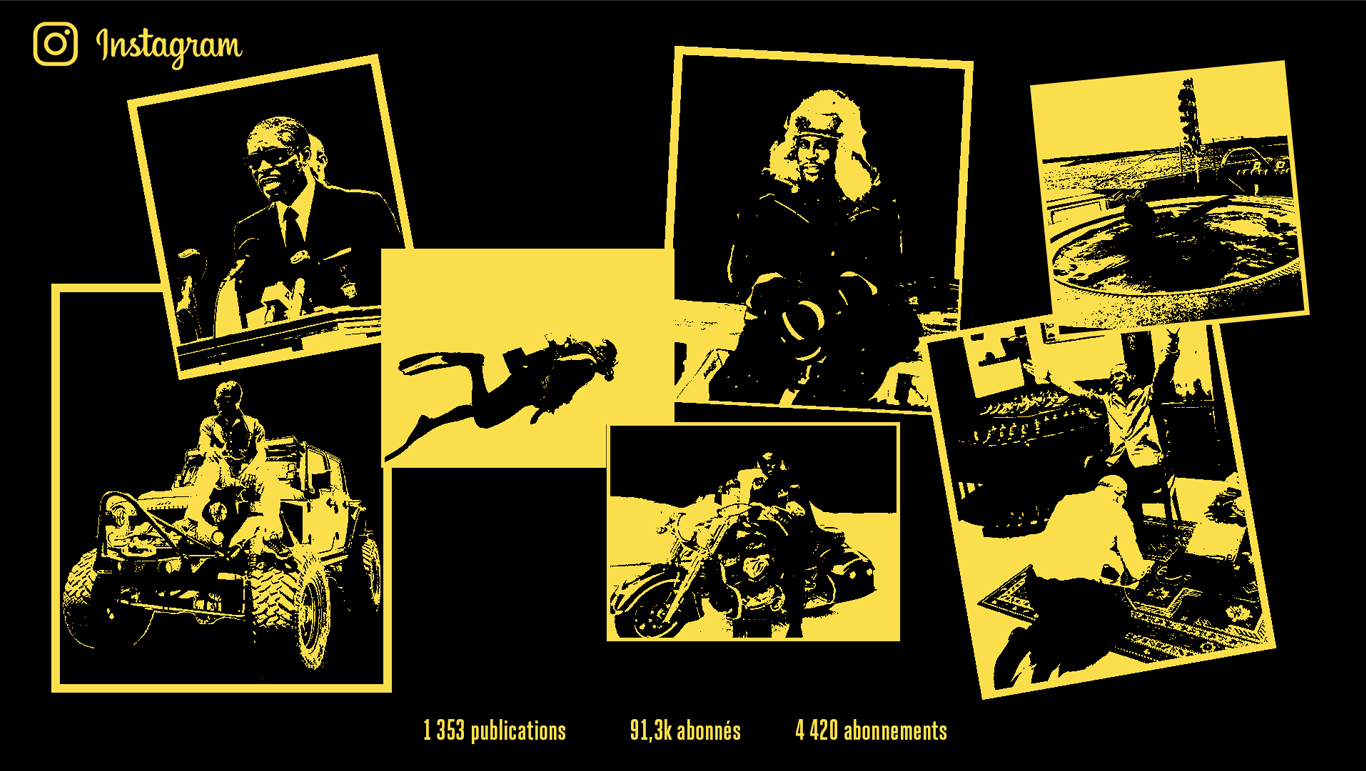
Teodoro Nguema Obiang, known as Teodorín, is the wealthy vice president of Equatorial Guinea, living a lavish lifestyle amidst widespread poverty in his country. His extravagant spending is linked to corruption and embezzlement of state funds, with over $700 million siphoned off while citizens struggle for basic needs and face human rights violations.