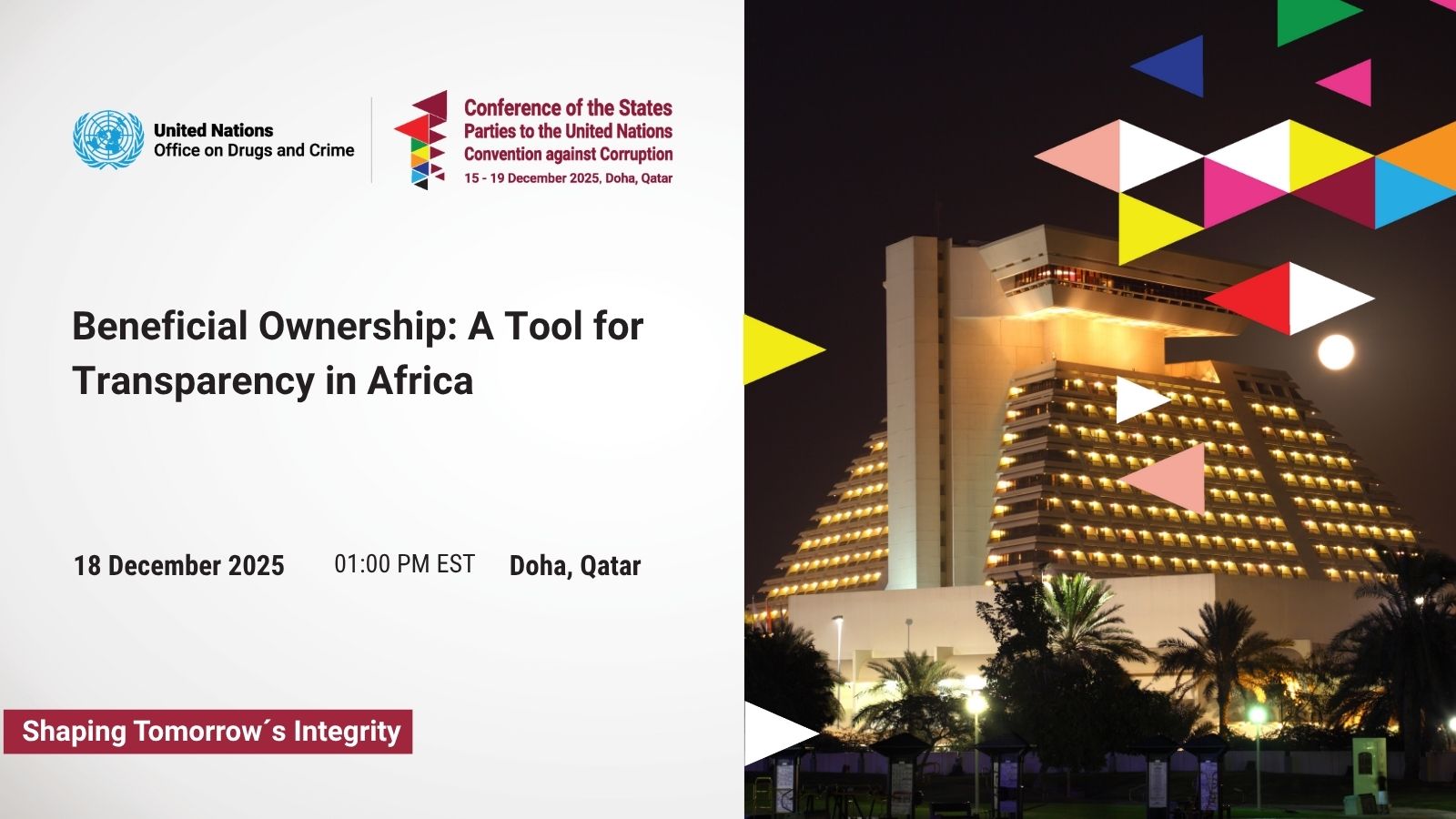
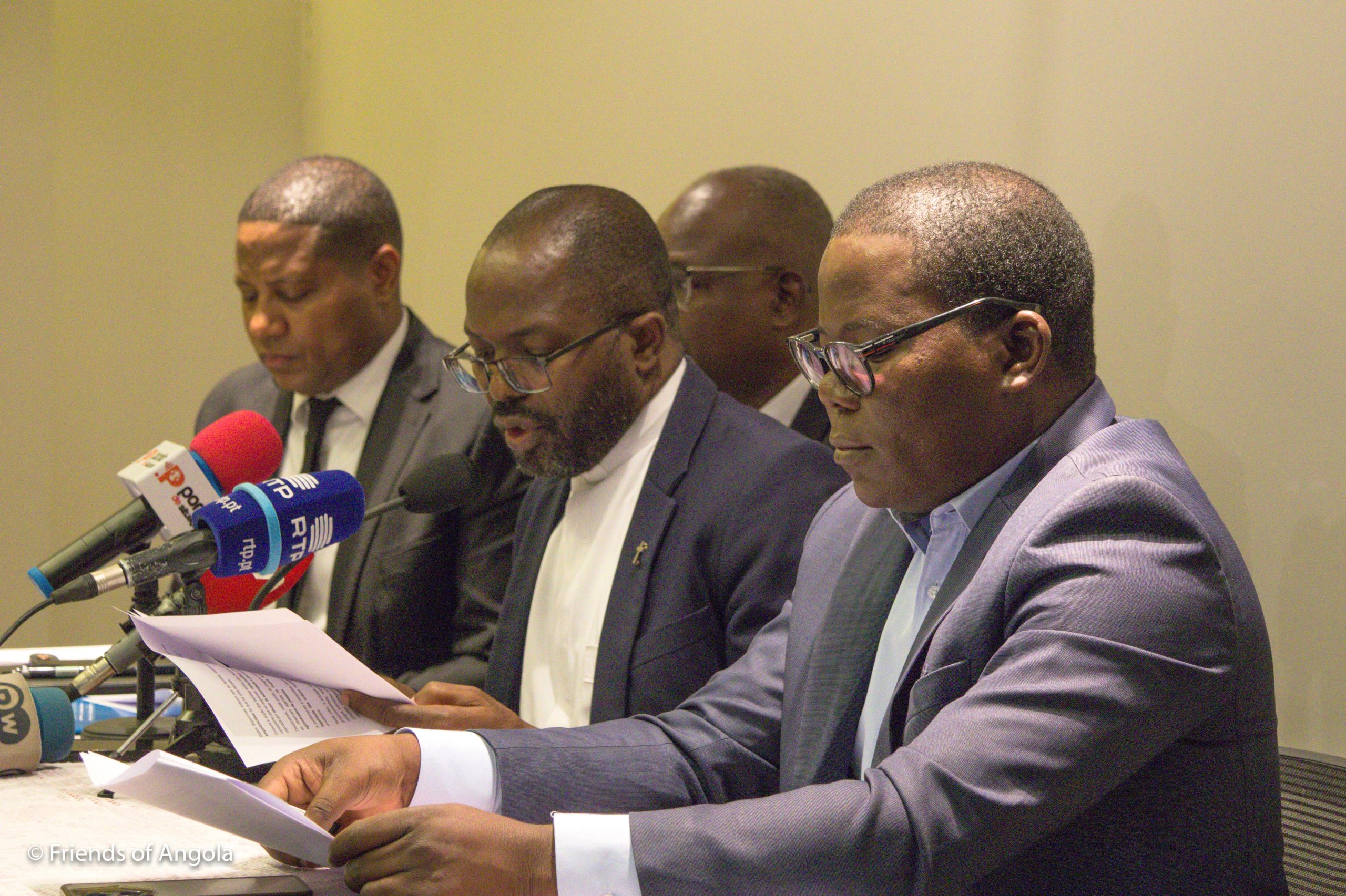
Across Africa’s resource-rich economies, corruption flourishes where transparency is weakest. Key insights from a high-level side event at the 11th UNCAC Conference of States Parties in Doha—“Beneficial Ownership: A Tool for Transparency in Africa,” organized by Friends of Angola and Opening Central Africa—laid bare a critical reality: without robust and publicly accessible beneficial ownership transparency (BOT) registries, illicit financial flows continue to siphon Africa’s wealth, entrench state capture, and corrode public trust.
From concealed corruption networks in Equatorial Guinea to opaque governance in Cameroon’s timber and oil sectors, the absence of reliable ownership data obstructs investigations and fuels disinformation. In Angola, asset repatriation efforts remain protracted and inefficient. Meanwhile, South Africa’s repeated corruption scandals—often exposed through international leaks—underscore that beneficial ownership transparency is not merely a technical reform, but a fundamental public right. Yet, despite existing legal frameworks, enforcement remains uneven and politically constrained.
Comparative data highlight the structural cost of opacity. Central Africa has an average Corruption Perceptions Index score of 28 out of 100, significantly below West Africa’s 36, reflecting deeper systemic corruption in countries such as the Democratic Republic of the Congo, the Republic of the Congo, and Equatorial Guinea. Democracy indicators reinforce this divide: Central Africa’s average Democracy Index stands at 2.39, well below the continental average of 4.06, revealing persistent authoritarianism in countries such as Chad and the Central African Republic. Economic freedom metrics tell a similar story—Central Africa lags behind West Africa (51 versus 53), signaling higher regulatory barriers and investment risk.
Encouragingly, reform-oriented initiatives are gaining momentum. The Collectif Restitution Afrique is pioneering accountability strategies by targeting not only primary perpetrators but also the profits of enablers, with landmark legal actions against multinational corporations in European courts. Private-sector stakeholders echo this urgency, emphasizing that BOT is not only an ethical obligation but also an economic catalyst. Nigeria’s experience demonstrates that transparency reforms can lower sovereign borrowing costs and enhance investor confidence.
Actionable Recommendations
- Advance Public BOT Registries
Advocate for the establishment and enforcement of publicly accessible beneficial ownership databases, drawing on successful models such as Nigeria’s. Engage in coalitions, petitions, and legislative advocacy to ensure compliance. - Strengthen Corporate Transparency
Businesses should adopt rigorous disclosure standards and subject them to independent audits by leading firms, including the Big Four. Internal compliance reviews can significantly mitigate legal and reputational risk. - Support Asset Recovery and Restitution
Contribute financially or professionally to organizations such as Collectif Restitution Afrique that pursue cross-border litigation and reparations for affected African communities. - Empower Investigative Journalism
Support independent media and responsible data sharing to expose corruption networks, sustain public scrutiny, and catalyze reform.
By embracing beneficial ownership transparency, Africa can reclaim stolen assets, restore public confidence, and unlock sustainable, inclusive growth. The moment for decisive action is now : transparency must move from revelation to transformation.