By Florindo Chivucute
The United States faces a complex balancing act in Africa, where the rise of kleptocracy and the decline of democracy challenge efforts to promote good governance and human rights across the continent, particularly in Angola. These issues have deep implications: They will not only hinder economic development but also exacerbate inequality and further erode public trust in institutions that have historically been plagued by inefficiency and widespread distrust.
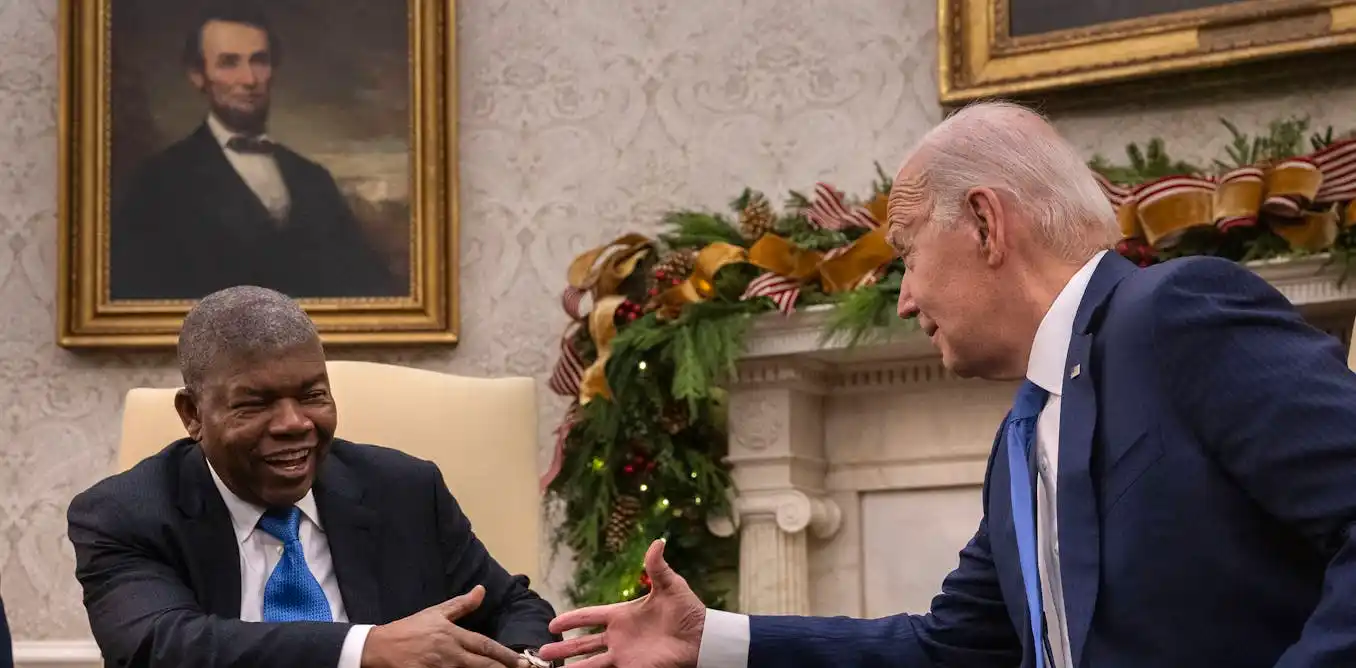
President Biden’s possible visit to Angola in December 2024 and the change in U.S. leadership have become a focal point of discussion in both traditional and social media in Angola. For the Angolan government, particularly for President Joao Lourenco, this visit comes at a pivotal time. He is currently facing mounting pressures: a power struggle within his ruling party, the MPLA (Movimento Popular de Libertação de Angola-MPLA), declining popularity, criticism over the economic struggles, and high unemployment. The government’s recent legislative moves – including the controversial Vandalism Bill, the National Security Bill, and the proposed law on the status of NGOs’ have only intensified the scrutiny.
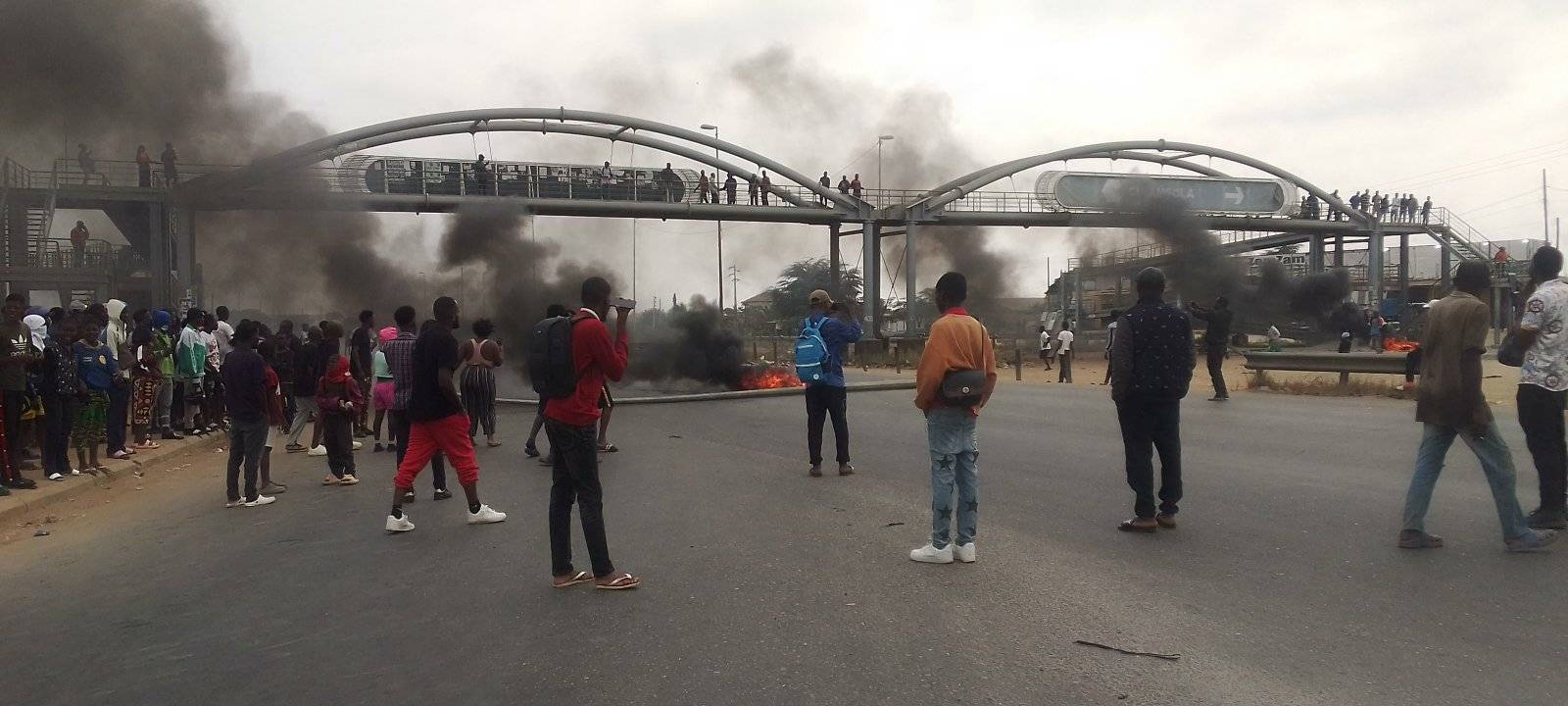
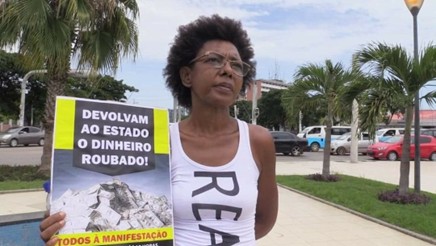
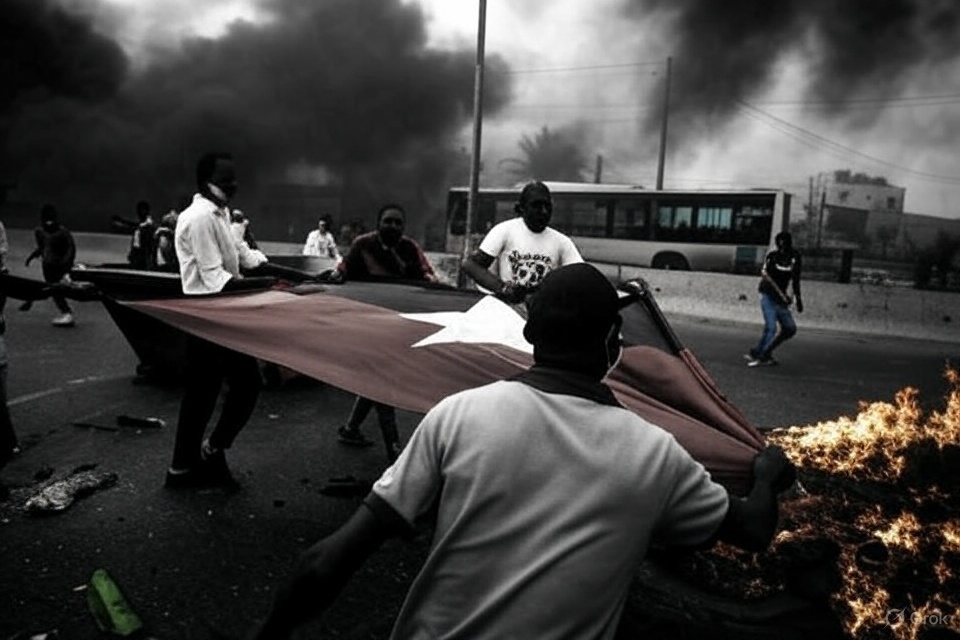
Critics and observers worry that Biden’s visit may inadvertently embolden an unpopular president with a poor human rights track record. Lourenço has invested heavily in lobbying efforts to polish his image in Washington, D.C. According to Politico.com, Angola’s government has paid Squire Patton Boggs – the largest lobbying firm in the world – more than $15 million since 2019. However, at home, he faces mounting social unrest, with citizens taking to the streets regularly protesting the economic hardship, the currency devaluation, the weakening of Kwanza, and high unemployment. Lourenco’s government has often responded with further restrictions on basic freedoms of expression, assembly, and press while engaging in systematic violations of human rights.
Both the outgoing Biden and incoming Trump administrations will face a diplomatic puzzle: how to maintain strategic engagement with Angola while addressing the concerning pattern of corruption, human rights violations, the decline of democracy, and the rise of kleptocracy – the systemic theft of public resources by government officials. This dilemma is further complicated by China’s growing influence in the region, highlighting the tension between balancing international diplomacy and strategic interests with promoting democratic values.
Historical Context: China’s Influence & the U.S Approach
Angola’s relationship with the People’s Republic of China took a decisive turn after its civil war ended in 2002. Former President Jose Eduardo dos Santos made a strategic choice that would deeply affect Angola’s future: he turned to China for loans rather than traditional institutions like the International Monetary Fund (IMF) or the World Bank. This decision was motivated by China’s less stringent financial requirements for democratic reform, human rights, democracy, and anti-corruption measurements that Western lenders typically demand. However, this seemingly attractive partnership with China has evolved into what many view as a “sweet deal/debt-trap”, fueled by the Chinese Communist Party (CCP)’s appetite for Angola’s vast natural resources. The consequences are evident; Angola has become China’s biggest debtor. According to Boston University research, since 2002, Angola’s national debt has reached a staggering $45 billion, with the energy sector absorbing more than half of this fund.
While the U.S. may not currently match China’s financial, economic, and political footprint in Angola, this should not compromise its core democratic principles and values in an attempt to catch up. These values distinguish the U.S. from China and resonate with Angolans, who recognize that Chinese trade partnerships lack transparency and primarily benefit the political elites, offering little benefit to ordinary citizens.
Why Democracy and Human Rights Matter
History has shown that strong democratic systems tend to foster institutional accountability, freedom, prosperity, and stability. For a resource-rich country like Angola, institutional accountability could help secure lasting peace and create a more stable environment conducive to trade, finance, and foreign investment opportunities, including for U.S. businesses.
When the U.S. continues to invest taxpayer dollars in countries that disregard democratic values such as transparency and respect for human rights, it sends the wrong message and creates a troubling contradiction. This will not only undermine the U.S. global leadership in democracy and human rights but also put current and future U.S. investments in Angola at risk.
The path forward is clear. It requires building a sustainable partnership with the Angolan people through trade, security cooperation, and peace-building efforts, all while standing firmly for democratic principles and values. Any policy that primarily serves Angola’s political elite while ordinary citizens are struggling to make ends meet as a result of years of government mismanagement, pervasive corruption, deteriorating rule of law, and ongoing human rights violations is likely to fail.
The U.S.’s commitment to diplomatic discussions that include civil society and marginalized groups sets it apart from the Chinese and Russian approaches. This inclusive approach resonates with everyday Angolans and helps foster meaningful connections with communities most affected by government decisions –from small business owners to teachers to youth activities to civil society and rural farmers- rather than limiting engagement to political elites or ruling party officials.
The heavy cost of corruption in Angola
For decades, corruption and illicit financial flows have been significant challenges in Angola, creating a negative ripple effect throughout society. Beyond hampering economic development, these challenges have intensified and exacerbated social inequalities, eroding public trust in institutions. High-ranking officials continue to enrich themselves while the gap between rich and poor Angolans continues to expand.
In 2017, newly elected President Joao Lourenço promised to combat corruption within his political party (MPLA) has ruled Angola since its independence in 1975. Despite establishing anti-corruption agencies and enacting new legislation, his efforts have met fierce resistance from political elites who long benefited from the grand-scale corruption. As a result, corruption remains deeply entrenched in Angola’s institutions and power structures. For example, the recent $2.5 billion loan from the Ex-Im Bank to Angola is under scrutiny as it appears to primarily benefit foreign entities with ties to China and the Angolan government. Critics argue that this funding, part of the Biden administration’s global infrastructure initiative, raises questions about American job support versus international cronyism.
The human cost is staggering; millions of Angolan families remain trapped in extreme poverty, and unemployment remains rampant. President Lourenço’s much-heralded anti-corruption and asset recovery campaign remain uncertain, with no meaningful impact on the lives of ordinary Angolans.
Recent developments raise fresh concerns. Questions have emerged about how a Swiss commodities trader, Trafigura—known for its ties to corrupt politicians—and a construction company, Mota-Engil, with its mysterious share dealings, secured positions in the Lobito Atlantic Railway (LAR) consortium. The consortium received a 30-year concession to run the Lobito Corridor.
The scale of Angola’s resource wealth versus its poverty is striking. According to Charles Kennedy, writing on Oilprice.com, Chevron paid 6.25 billion in taxes and production sharing to Angola, Nigeria, and Equatorial Guinea combined, which is triple its U.S. tax bill of $1.99 billion. Yet, this wealth hasn’t reached ordinary Angolans.
World Bank data shows that in 2019, three out of every five Angolans — over 19 million people — were living in extreme poverty, earning $3.20 daily, and 40% of Angolans are living on less than US$1.90 per day. These staggering numbers highlight the stark disparity between Angola’s natural resource wealth and widespread poverty underscore an urgent need for effective governance and economic reforms.
The U.S. faces a critical challenge in the coming year. There will be a need to balance its interests against Angola’s growing kleptocracy and decline of democracy and human rights. This also offers a unique opportunity for the U.S. to demonstrate to Angolans and the broader African continent that meaningful international partnerships can thrive when anchored in democratic principles, transparency, and genuine commitment to good governance and cooperation.
About the author:
Florindo Chivucute is the founder and Executive Director of Friends of Angola (FOA), a researcher, activist, and consultant. He earned his B.A. in Government & International Politics and a Master’s degree in Conflict Analysis and Resolution from George Mason University in the United States.