That’s the ironic slogan Chadians have given the SNE, their national electricity company. Access to electricity in Chad remains extremely low—just 11% in urban areas and 2% in rural zones. The SNE (Société Nationale d’Électricité) struggles to provide consistent coverage across the country.
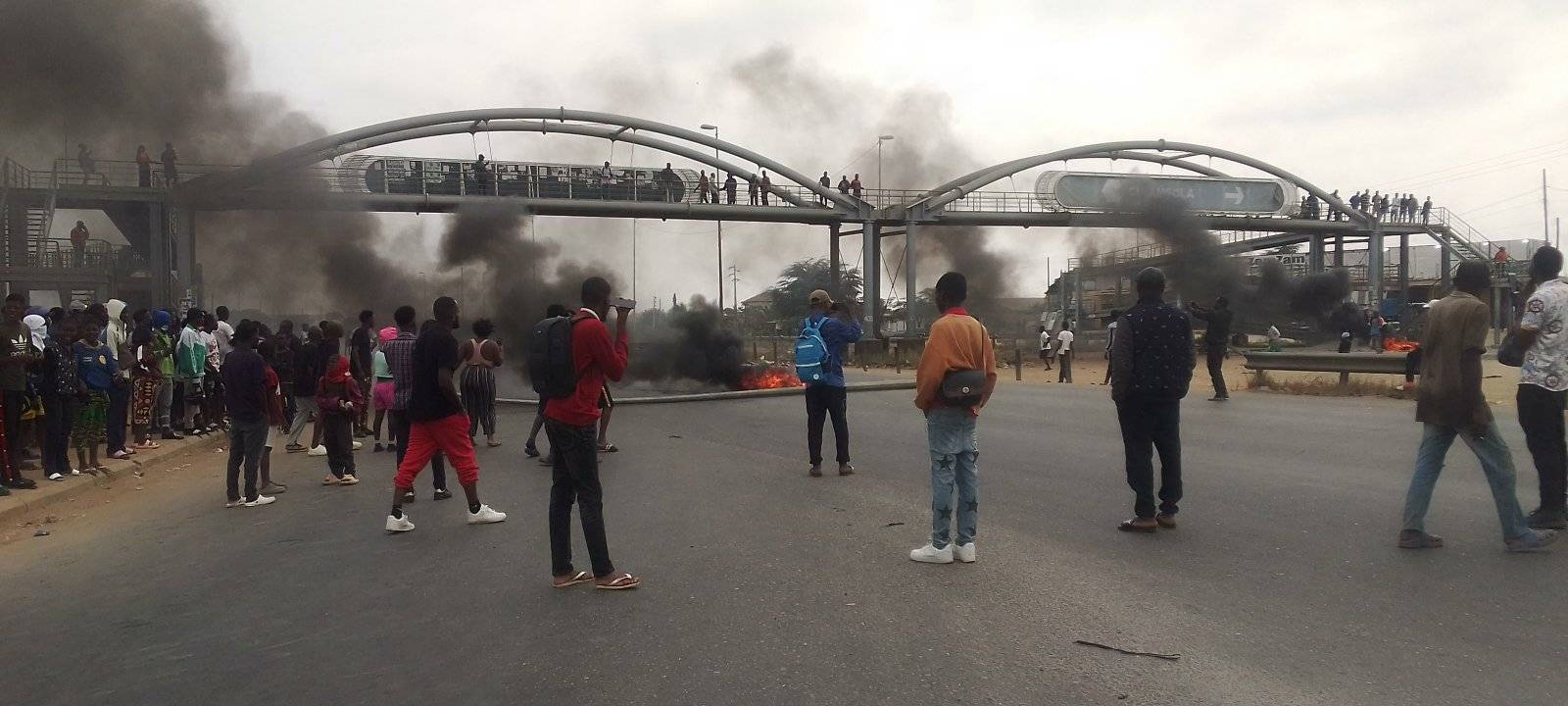
In N’Djamena, the capital, the SNE delivers a poor-quality service. Electricity supply is unreliable and often scarce. In some neighborhoods, power only arrives late at night—sometimes past midnight—only to be cut again early in the morning.
This reality penalizes small and medium-sized businesses as well as ordinary citizens. For businesses, it leads to losses and missed profits. For households, it disrupts food storage, hampers students’ ability to study, and causes widespread, costly consequences.
These unannounced blackouts are catastrophic for pharmaceutical companies, which must spend large sums on fuel to power generators in order to preserve medicine. These problems stem directly from massive embezzlement of funds allocated to the SNE and from mismanagement. There is also a blatant lack of political will to solve the issue once and for all—because the opacity of the system benefits the embezzlers.
Your Darkness Is Our Satisfaction
For over a decade, Chadians have endured daily blackouts. This is a striking paradox, given the country’s vast oil wealth. The problems within the SNE are numerous, including poor power distribution, weak voltage, and more. Electricity is rationed across regions without any clear rules—whole neighborhoods can be left in the dark for more than half a day while so-called “wealthy” areas remain powered.
The SNE has faced numerous corruption scandals. For years, its leadership has been reshuffled repeatedly due to mismanagement and embezzlement. The Chadian government has poured large sums into the company, but poor governance, empty promises, and waste have led to today’s crisis. Powerful elites and cronies prefer to buy villas, luxury cars, and stash taxpayers’ money in offshore accounts instead of investing in Chad’s development.
The amounts squandered on Chad’s electricity sector run into the millions—if not billions. A few examples include:

And yet, this has been going on for decades. To be continued…